
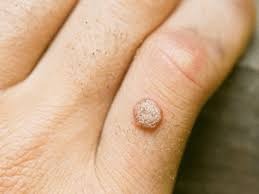
Moles are common skin growths that can appear anywhere on the body. While most moles are harmless, some individuals may choose to have them removed for cosmetic reasons or due to concerns about potential health risks. Understanding the various methods of mole removal and their implications is essential for anyone considering this procedure.
The first step in mole removal is a thorough evaluation by a dermatologist. This assessment helps determine whether the mole poses any medical concerns, such as being cancerous or precancerous. Dermatologists use tools like dermatoscopes to examine moles closely and may perform a biopsy if there is any suspicion of malignancy. If the mole is deemed benign but still bothersome, several plantar wart removal options are available.
One of the most common methods for removing benign moles is surgical excision. In this procedure, a local anesthetic is applied to numb the area before the dermatologist uses a scalpel to cut out the mole along with some surrounding tissue. This method ensures complete removal and allows for pathological examination of the tissue, providing peace of mind regarding its nature.
Another technique frequently used is shave excision, where only the raised part of a mole is shaved off using a blade. This method typically leaves minimal scarring and does not require stitches; however, it might not be suitable for deeper moles since it does not remove all underlying cells.
Laser treatment offers an alternative approach by using focused light energy to break down pigment within the mole’s cells without damaging surrounding skin tissues significantly. Laser treatments work best on flat, pigmented moles rather than raised ones and often require multiple sessions for optimal results.
Cryotherapy involves freezing off superficial skin lesions like certain types of moles using liquid nitrogen or another cryogenic substance.